Helping children stay active is about much more than getting them to run around or play sports. It is about building habits that support their health, confidence, and happiness as they grow. The good news is that exercise does not have to feel like hard work.
A bike ride, a game of tag, or dancing to a favorite song can all get children moving. With a little encouragement from parents, kids can discover activities they enjoy and learn that staying active is a normal part of everyday life.
Make Movement Enjoyable
Children are more likely to stay active when exercise feels like fun rather than another task on their school timetable. Nobody wants to finish homework only to receive a second assignment called “go exercise for an hour.”
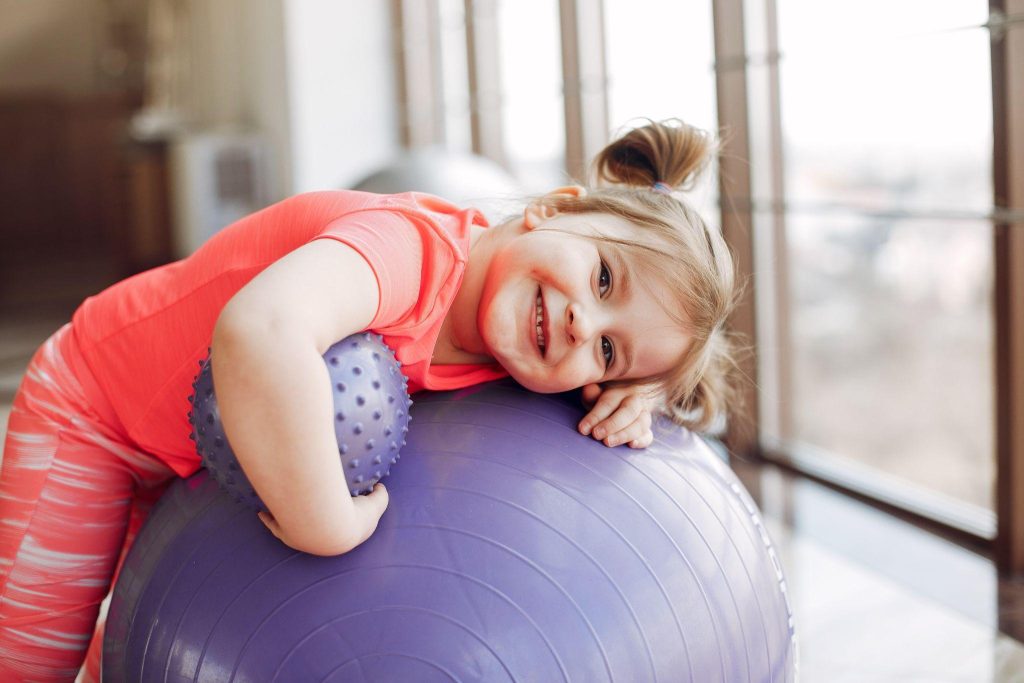
Start with activities they already enjoy. Cycling, swimming, dancing, playing tag, and team sports are all great ways to get moving. Some children love competition, while others prefer playing outdoors without keeping score. Both are perfectly fine.
Understand Youth Fitness Training
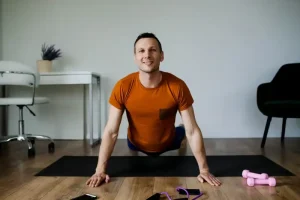
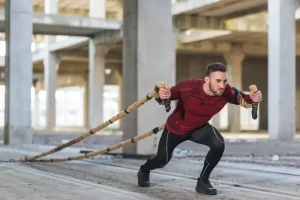
Children and teenagers have different physical needs from adults. Their bodies are still growing, so exercise should focus on healthy development rather than intense workouts or lifting heavy weights. Youth fitness training can introduce young people to age-appropriate activities that develop coordination, balance, basic strength, and confidence.
The aim is to help them understand how their bodies move and build useful skills in a safe environment. Parents should look for qualified instructors who understand the needs of growing children. Activities should match the child’s age and ability, with enough room to learn at their own pace.
Build a Balanced Routine
A healthy routine does not mean filling every afternoon with sports practice. Children already have school, homework, family time, and other responsibilities. Their schedules need breathing room too. Try mixing different activities throughout the week.
One day might involve cycling, another could include swimming, and weekends might be reserved for outdoor games. Children can also stay active through simple everyday habits, such as walking short distances or playing outside with friends.
Support Food and Rest
Physical activity uses energy, and children need enough food and sleep to support their growing bodies. Regular balanced meals can provide the nutrients they need for learning, playing, and staying active. Include a variety of everyday foods such as fruits, vegetables, grains, dairy products, and protein sources.
Encourage children to drink water throughout the day, especially after playing or exercising. There is no need for strict diets or calorie counting. Healthy eating should support growth, not create unnecessary pressure. Sleep matters just as much. A tired child may struggle to concentrate, enjoy activities, or recover after an active day.
Celebrate Small Progress
Children do not need to become the fastest runner or strongest player to feel proud of their progress. Sometimes, learning to ride a bicycle, improving balance, or trying a new sport is a big achievement. Parents can support this progress by praising effort and participation.
comparing children with their siblings, classmates, or friends. Every child develops at a different pace, and constant comparisons can make exercise feel stressful. Instead, celebrate personal achievements and encourage them to keep exploring new activities.