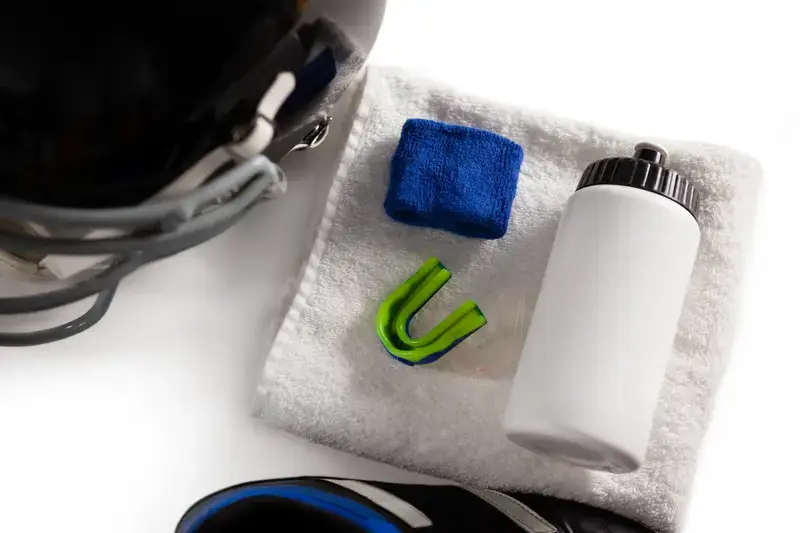
Football performance depends on more than fitness, technical ability, and match strategy. The equipment a player wears can affect movement, comfort, protection, and confidence throughout a game. A poorly fitted boot can cause painful blisters, loose shin guards can expose the lower leg, and uncomfortable socks can distract a player during important moments.
Consider a midfielder preparing for a competitive match. The player has trained consistently but arrives with worn boots and shin guards that move whenever they sprint. Within minutes, discomfort affects concentration and movement. A few simple equipment decisions could have prevented the problem.
Choosing the right essential football accessories means understanding what each item does and how it should fit. Some equipment is required by competition rules, while other accessories support comfort, recovery, and training. This guide explains the most useful options, how to choose them, and what experienced players should check before stepping onto the pitch.
Protective Accessories Every Football Player Needs
Safety equipment should be the first priority when preparing for football. The sport involves sprinting, sudden changes of direction, physical challenges, and contact with other players. Even technically skilled players cannot eliminate every risk, so appropriate protection matters at every level.
The most important essential football accessories include properly fitted shin guards, suitable footwear, and socks that keep protective equipment securely in place. Additional items, such as mouthguards and goalkeeper protection, may be useful depending on playing position and individual needs.
Shin Guards for Lower-Leg Protection
Shin guards are a fundamental part of football equipment. They help protect the tibia, the long bone at the front of the lower leg, from impacts caused by tackles, kicks, and accidental contact. Under IFAB’s Laws of the Game, players must wear shin guards made of suitable material and provide reasonable protection. They must also be covered by socks.
Fit matters as much as material. A guard should cover the appropriate area without restricting ankle movement or pressing uncomfortably against the leg. It should remain in position while running, turning, and tackling. A guard that slides down during play may leave the exposed area vulnerable.
Players can choose between slip-in guards, sleeve-supported designs, and models with ankle protection. Slip-in versions are lightweight and popular among players who prefer freedom of movement. Sleeve-supported guards can reduce shifting, while ankle-protection designs may suit younger players or those who prefer additional coverage.
A laboratory study examining football shin guards found that tested designs could absorb substantial impact force, with results reaching up to 95% in the specific experimental setup. This demonstrates the protective potential of properly designed guards, but it should not be interpreted as a guaranteed reduction in real-world injury risk.
Mouthguards for Dental Protection
Mouthguards are useful for players who face frequent physical contact or have a higher risk of facial impact. They help protect teeth, lips, cheeks, and other soft tissues during collisions.
The American Dental Association recommends properly fitted mouthguards for sports with a risk of dental injury. Options include ready-made guards, boil-and-bite models, and custom-fitted versions made through a dental professional. A guard should stay securely in place without making breathing or communication unnecessarily difficult.
One point deserves attention: mouthguards should not be treated as proven concussion prevention equipment. Evidence supporting their role in preventing dental injuries is stronger than evidence for reducing concussion risk. Players should still follow concussion recognition and medical assessment procedures after a suspected head injury.
Football Boots and Socks for Comfort and Performance
Footwear has a direct effect on how players move across the pitch. Football involves acceleration, braking, turning, jumping, and repeated changes of direction. Boots need to provide suitable traction while allowing the foot to move naturally.
The best choice depends on the playing surface, foot shape, weather, and personal comfort. Expensive boots do not automatically improve performance. A correctly fitted pair with suitable studs is usually more useful than a fashionable model that causes pressure or instability.
Choosing Boots for the Playing Surface
Different football surfaces require different outsole designs. Firm-ground boots are generally intended for natural grass that is relatively dry or firm. Soft-ground models use longer, often replaceable studs for softer or wetter natural pitches. Artificial-ground boots have stud patterns designed for synthetic surfaces, while indoor football shoes usually have flat, non-marking soles.
Using the wrong outsole can affect traction and comfort. Long studs on an unsuitable surface may create excessive grip, while a sole with insufficient traction can make quick movements difficult. Players should check the pitch conditions and competition rules before selecting footwear.
Fit is equally important. The heel should feel secure, the toes should have enough room, and the upper should not create painful pressure across the foot. Try boots with the socks you normally wear for matches. If possible, test them during a training session before using them in competition.
A player who develops repeated blisters, numbness, or pain should not assume that the boots simply need more breaking in. These symptoms may indicate an unsuitable size, shape, or construction.
Football Socks and Grip Socks
Football socks hold shin guards in place and provide a protective layer between the guards and skin. They should cover the entire guard and remain secure during running and contact.
Grip socks have gained popularity because their textured soles can help reduce movement between the foot and the inside of the boot. Some players prefer them because they feel more stable during sharp turns. However, the benefit depends on the sock, boot fit, and individual preference. They are not a substitute for correctly fitted footwear.
Compression-style football socks may also provide a close fit, but players should avoid excessive tightness. Pressure around the foot or lower leg can become uncomfortable during long sessions.
Check socks for thinning fabric, damaged elastic, and rough seams. Small defects can cause friction that becomes distracting after repeated sprints. Clean, dry socks are a simple but important part of match preparation.
Goalkeeper Accessories for Position-Specific Protection
Goalkeepers have different equipment needs from outfield players. They repeatedly dive, catch high balls, block powerful shots, and land on the ground. Their accessories should support grip, hand protection, and comfort during repeated contact.
Goalkeeper Gloves
Gloves are among the most important essential football accessories for goalkeepers. They provide a grip surface for catching and controlling the ball while adding a layer between the hands and direct impact.
Glove construction varies. Latex palms are common because they offer grip, but the level of grip and durability depends on the latex type, thickness, weather, and playing surface. Softer latex may provide strong grip but wear more quickly, particularly on abrasive artificial pitches.
Finger protection is another consideration. Some gloves include supportive elements designed to limit excessive finger movement. These may appeal to younger goalkeepers or players who prefer additional support. However, they do not eliminate the risk of finger injuries.
The fit should feel secure without restricting finger movement. Oversized gloves can reduce control, while very tight gloves may create pressure and wear prematurely. Goalkeepers should also clean their gloves according to the manufacturer’s instructions and allow them to dry naturally.
Padded Clothing and Protective Layers
Goalkeepers may benefit from padded jerseys, shorts, or trousers, particularly when training on hard surfaces. Padding around the elbows, hips, and knees can make repeated dives more comfortable.
The right amount of protection depends on the goalkeeper’s style and environment. A player who regularly trains on artificial turf may prefer more coverage than someone playing on a soft natural-grass pitch.
Clothing should not restrict arm extension, rotation, or quick movement across the goal. Padding that shifts during dives can become uncomfortable and distract from positioning. Test the complete outfit during training before relying on it in a competitive match.
Training Accessories That Support Consistent Development
Match equipment is only part of a player’s setup. Training accessories help develop technical skills, improve movement, and maintain consistent practice habits. They also allow players to work on specific weaknesses outside formal team sessions.
A useful selection depends on the player’s position, training goals, and available space. Buying large quantities of equipment is rarely necessary. A few well-chosen items can support regular practice.
Cones, Agility Ladders, and Training Hurdles
Cones are simple but versatile. Coaches use them to mark dribbling routes, passing areas, sprint distances, and small-sided training zones. Players can also use cones for individual ball-control exercises.
Agility ladders provide a visual guide for footwork patterns. They can help players practice coordination and controlled movement, but completing ladder drills quickly does not automatically translate into better football performance. The exercises should support wider training goals that include acceleration, deceleration, balance, and changes of direction.
Mini hurdles can be used for controlled jumping and movement drills. The height and intensity should match the player’s ability. Poor technique or excessive repetition can create unnecessary strain, especially when athletes are already fatigued.
Resistance Bands and Recovery Tools
Resistance bands are useful for controlled strength and activation exercises. Players often use them for hip stability, glute activation, and selected mobility routines. They are portable and easy to store, making them practical for individual and team sessions.
Foam rollers and massage balls are commonly used for post-training recovery routines. They may help players manage muscle tightness and feel more comfortable after exercise, although they should not be presented as a guaranteed method of preventing injury or accelerating tissue repair.
These essential football accessories work best when they support a planned training program. They cannot replace appropriate strength work, rest, good technique, or professional rehabilitation when an injury occurs.
Hydration, First Aid, and Match-Day Essentials
Some of the most useful football equipment receives little attention because it does not directly affect ball control. Hydration supplies, first-aid equipment, and practical storage items help players prepare for training and respond to common problems.
Water Bottles and Hydration Supplies
Football sessions can involve prolonged running, repeated sprints, and high physical effort. Fluid needs vary according to temperature, humidity, body size, activity level, and individual sweat rate.
The American Academy of Orthopaedic Surgeons notes that even mild dehydration can affect performance and the body’s ability to regulate temperature. Players should arrive hydrated, drink during appropriate breaks, and replace fluids after training.
A reusable water bottle makes it easier to keep fluids accessible. For longer sessions or hot conditions, coaches should plan regular drinking opportunities and follow appropriate heat-safety guidance. Sports drinks may be useful during prolonged, demanding activity, but they are not necessary for every short training session.
First-Aid Kits and Personal Care Items
A team first-aid kit should be accessible during training and matches. Its contents may include sterile dressings, bandages, adhesive tape, gloves, wound-cleaning supplies, and cold packs. The kit should be checked regularly, and expired or damaged items should be replaced.
First aid does not mean attempting to treat every injury on the pitch. Suspected fractures, serious head injuries, severe bleeding, and other significant conditions require appropriate medical assessment. Teams should also have an emergency action plan and know how to access local medical services.
Personal care items are useful too. Blister plasters, spare socks, sunscreen, and a small towel can make long match days more comfortable. Players who use ankle supports or prescribed orthotics should include them in their regular equipment checks.
Football Bags and Equipment Organization
A durable football bag keeps boots, clothing, shin guards, gloves, and personal supplies organized. Separate compartments help prevent dirty footwear from coming into contact with clean clothing.
Look for strong zippers, comfortable shoulder straps, suitable ventilation, and enough capacity for the equipment you actually carry. A bag that is too large can become inconvenient, while one that is too small may force players to pack wet or dirty items together.
Organization also saves time. Keeping a consistent place for shin guards, tape, socks, and other essentials reduces last-minute searching before a match.
Real-World Equipment Scenarios: What Good Choices Look Like
Consider a young midfielder preparing for a weekend tournament. During training, the player repeatedly adjusts slipping shin guards and develops blisters from tight boots. The solution is not simply to buy more expensive equipment. The player needs guards that match the leg shape, socks that hold them securely, and boots that provide suitable toe room and heel support.
After testing the new combination during practice, the player can check whether the guards remain stable during turns and tackles. This practical fitting process is more useful than relying on product appearance or brand reputation.
Now consider a goalkeeper who trains several times a week on artificial turf. The palms of the gloves wear down quickly, and repeated dives leave the elbows uncomfortable. Choosing gloves suited to the surface, following the manufacturer’s care instructions, and using appropriate padded clothing may improve comfort and help manage equipment wear.
These scenarios show why essential football accessories should be selected around real playing conditions. The best setup is not identical for every athlete. Position, surface, training frequency, foot shape, and personal comfort all influence the final choice.
How to Choose and Maintain Football Accessories
Choosing equipment should begin with the player’s actual needs. Check competition regulations first, particularly for shin guards, footwear, and any additional protective items. Requirements may differ between age groups, leagues, and governing bodies.
Next, prioritize fit. Try boots with match socks, test shin guards under the socks that will cover them, and make sure goalkeeper gloves allow natural hand movement. Equipment should feel secure without creating painful pressure or restricting movement.
Durability and maintenance matter as well. Clean boots after muddy sessions, dry gloves according to their care instructions, and inspect shin guards for cracks or damaged straps. Replace socks when their elastic or protective padding wears out.
Avoid buying accessories based only on marketing claims. Grip socks, compression garments, recovery tools, and specialist supports may suit some players, but their benefits depend on individual needs and proper use. A product should solve a specific problem rather than add unnecessary complexity.
The most valuable essential football accessories are those that players use consistently and correctly. Well-fitted protective gear, appropriate footwear, reliable hydration supplies, and organized training equipment create a practical foundation for safer participation and better preparation.
Conclusion
Football accessories influence more than appearance. They help protect players, improve comfort, support training, and make match preparation more organized. Shin guards, suitable boots, reliable socks, and goalkeeper gloves deserve priority, while mouthguards, training tools, hydration supplies, and first-aid equipment serve important additional roles.
The right choices depend on playing position, surface, competition rules, and individual fit. Instead of buying every available product, focus on equipment that meets a genuine need. Inspect it regularly, maintain it properly, and replace damaged items. A thoughtful equipment setup allows players to concentrate on the game rather than distractions caused by uncomfortable or unsuitable gear.
FAQs
1. What accessories are compulsory for football players?
Under the Laws of the Game, players must wear a shirt with sleeves, shorts, socks, shin guards, and footwear. Shin guards must provide reasonable protection and be covered by socks. Competition organizers may also have additional equipment requirements.
2. How should football shin guards fit?
Shin guards should cover the appropriate part of the lower leg, remain securely positioned, and feel comfortable during running and turning. They must be covered by socks. If they slide down, press painfully, or restrict movement, try a different size or support system.
3. Are grip socks worth using for football?
Grip socks may help some players reduce movement between their feet and the inside of their boots. Their usefulness depends on fit, construction, and personal preference. They are optional and should not replace properly fitted football boots or suitable match socks.
4. Do football players need mouthguards?
Mouthguards can help reduce dental and soft-tissue injuries, particularly where physical contact is frequent. A properly fitted model is important for comfort and retention. They should not be relied upon to prevent concussions, as evidence for that benefit remains limited.
5. How often should football accessories be replaced?
Replace equipment when it becomes damaged, loses its protective function, or no longer fits correctly. Inspect boots, shin guards, gloves, and socks regularly. Replacement timing depends on training frequency, playing surface, product quality, and how well the equipment is maintained.