Methods of training conditioning are structured approaches that develop strength, endurance, speed, mobility, and sport specific skills. The most effective programs combine different training methods, planned recovery, and gradual increases in workload to improve performance without unnecessary fatigue. Athletes can achieve better results by matching their training approach to their sport, fitness level, and individual goals.
A runner preparing for a long distance event needs a different routine from a football player or competitive weightlifter. Yet all three benefit from a clear training structure. Understanding how conditioning, periodization, and skill practice work together helps athletes train with purpose instead of simply exercising harder.
What Are the Main Methods of Training?
Training methods are planned ways to develop specific physical and technical abilities. Each method creates a different type of demand on the body. Some improve cardiovascular fitness, while others develop muscle strength, explosive power, coordination, or movement control.
The main methods of training conditioning include resistance training, aerobic and anaerobic conditioning, interval training, plyometrics, flexibility work, and sport specific practice. A balanced program uses these methods according to the athlete’s needs rather than trying to maximize everything at once.
Resistance Training for Strength and Power
Resistance training uses external weights, machines, resistance bands, or body weight to challenge muscles. Exercises such as squats, lunges, push ups, rows, and deadlifts can develop strength when performed with suitable technique and progressive loading.
Strength supports many athletic movements. A football player needs lower body strength for acceleration and tackling, while a tennis player benefits from strength in the legs, trunk, and upper body. Stronger muscles can also help athletes maintain movement quality during demanding activity.
Power training focuses on producing force quickly. It may include medicine ball throws, jump variations, and appropriately supervised weightlifting movements. Athletes should develop basic strength and technique before attempting demanding explosive exercises.
Aerobic and Anaerobic Conditioning
Aerobic training improves the body’s ability to use oxygen during sustained activity. Activities such as steady running, cycling, swimming, and brisk walking can build cardiovascular endurance. This type of conditioning is useful for distance runners and team sport athletes who need to recover between intense efforts.
Anaerobic conditioning develops the ability to perform short, high intensity efforts. Sprint intervals, repeated accelerations, and intense cycling efforts are common examples. These activities place greater demands on the body and usually require longer recovery periods.
Both systems contribute to athletic performance. A basketball player, for example, may sprint toward the basket, change direction, and then move at a lower intensity before the next fast effort. A suitable training plan develops the ability to repeat these actions.
How Does Interval Training Improve Athletic Conditioning?
Interval training alternates periods of higher intensity activity with planned recovery. The work periods may last a few seconds or several minutes, depending on the athlete’s sport and fitness level. Recovery can involve complete rest or low intensity movement.
This method allows athletes to practice working at demanding intensities without maintaining maximum effort continuously. It can improve cardiovascular fitness, speed endurance, and the ability to repeat challenging efforts.
High Intensity Interval Training
High intensity interval training, commonly called HIIT, uses short or moderate work periods performed at a challenging intensity. For example, an athlete might cycle hard for 30 seconds, recover for 60 seconds, and repeat the sequence several times.
The exact structure should match the training goal. Shorter intervals may emphasize speed and power, while longer intervals can place greater demands on cardiovascular endurance. Beginners should start with manageable efforts and avoid treating every session as an all out test.
HIIT is time efficient, but it is not suitable as the only form of conditioning. Frequent high intensity sessions can create excessive fatigue and reduce the quality of strength or skill practice. Most athletes benefit from balancing demanding intervals with easier aerobic work and recovery.
Fartlek and Tempo Training
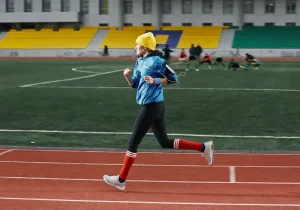
Fartlek training combines faster and slower running within one continuous session. A runner might jog comfortably, accelerate between two landmarks, return to an easy pace, and repeat the pattern. This flexible approach develops pace awareness and endurance.
Tempo training involves maintaining a controlled, challenging pace for a sustained period. The effort should feel demanding but manageable rather than like a sprint. It can help endurance athletes become more comfortable maintaining faster speeds.
These methods offer different benefits. Fartlek training introduces changes in pace, while tempo work develops the ability to sustain a relatively consistent effort. Coaches can adjust duration and intensity according to an athlete’s experience and competition schedule.
Why Is Periodization Important in Training?
Periodization is the planned organization of training into phases. It changes workload, intensity, and training focus over time to help athletes develop specific abilities and prepare for competition. Instead of repeating the same demanding routine every week, athletes follow a structured progression.
Methods of training conditioning become more effective when they fit into a wider plan. Periodization helps prevent training from becoming random and allows coaches to manage fatigue while developing performance qualities.
Understanding the Main Training Phases
A traditional periodized plan often includes preparation, competition, and transition phases. During general preparation, athletes build foundational strength, endurance, mobility, and movement skills. Training volume may be higher while intensity increases gradually.
The specific preparation phase moves closer to the demands of the sport. A football player may include more acceleration, change of direction, and repeated sprint work. A swimmer may increase event specific pace training and refine stroke technique.
The competition phase focuses on maintaining fitness and reaching peak performance at the right time. Training volume may decrease while sport specific intensity remains relatively high. After the competitive period, a transition phase allows physical and mental recovery through reduced training demands and varied activities.
Linear and Undulating Periodization
Linear periodization generally changes training variables gradually over a planned period. An athlete might begin with higher training volume and moderate loads, then progress toward lower volume and heavier loads as strength develops.
Undulating periodization changes intensity and volume more frequently. For example, an athlete might perform a heavier strength session early in the week, a moderate session later, and a lighter technique focused session after that.
Neither approach is automatically better for every athlete. The right model depends on training history, sport requirements, competition dates, and recovery capacity. A qualified coach can select a structure that supports consistent progress.
How Can Athletes Develop Sport Specific Skills?
Physical fitness alone does not guarantee strong athletic performance. Athletes also need to learn and refine the movements, decisions, and techniques required by their sport. Skill development combines repetition, feedback, coordination, and practice under realistic conditions.
A basketball player may have excellent strength but still struggle with shooting accuracy under pressure. A runner may possess strong endurance but lose efficiency through poor running mechanics. Skill practice connects physical ability with effective movement.
Deliberate Practice and Technical Repetition
Deliberate practice focuses on improving a specific part of performance rather than repeating an entire activity without a clear purpose. An athlete identifies a weakness, works on it through targeted drills, receives feedback, and adjusts technique.
For example, a tennis player might practice serving to different areas of the court instead of simply hitting as many serves as possible. A football player may work on first touch and passing accuracy under gradually increasing pressure.
Quality matters more than repetition alone. Practicing a poor movement pattern repeatedly can reinforce mistakes. Coaches should provide clear instructions and allow enough recovery to maintain good technique during demanding drills.
Game Based and Situational Training
Game based training places skills in situations that resemble competition. Small sided football games, basketball drills with defenders, and sport specific reaction exercises encourage athletes to make decisions while moving.
These sessions develop more than physical ability. They also improve awareness, timing, communication, and the ability to respond to changing conditions. Athletes learn to apply techniques when they have limited time and space.
A good program combines isolated technical practice with realistic situations. Isolated drills help establish movement patterns, while game based sessions test whether athletes can use those skills effectively.
How Should Athletes Combine Different Training Methods?
A successful training plan balances physical development, skill practice, and recovery. The exact schedule depends on the sport, competition calendar, experience, and available training time. Combining every method in every session is rarely necessary.
Methods of training conditioning should support one another. Strength work may improve the force an athlete can produce, while sprint training develops acceleration. Technical practice then helps the athlete apply those physical qualities during competition.
Planning a Balanced Weekly Schedule
A weekly plan should distribute demanding sessions so the athlete has enough time to recover. For example, a recreational team sport athlete might perform two strength sessions, two sport specific practices, one conditioning session, and one or two easier recovery days.
The order of sessions matters. If speed development is a priority, sprint work is usually best performed when the athlete is relatively fresh. Heavy strength training immediately before technical practice may reduce movement quality if fatigue is high.
Training schedules should also remain flexible. Poor sleep, illness, unusual soreness, or heavy competition demands may require adjustments. A structured plan is a guide, not a reason to ignore signs that the body needs recovery.
Matching Training to Athletic Goals
Athletes should choose training methods based on the demands of their sport. Distance runners may prioritize aerobic endurance, running economy, and lower body strength. Sprinters need acceleration, maximum speed, power, and technical mechanics.
Team sport athletes often require a broader combination of abilities. They need repeated sprint capacity, agility, strength, coordination, and decision making. A weightlifter, by comparison, will spend more time developing maximal strength, explosive technique, and movement consistency.
Clear goals make training more efficient. Rather than adding exercises because they are popular, athletes should ask what physical or technical quality each session is intended to improve.
Why Are Recovery and Injury Prevention Essential?
Training creates a stimulus for adaptation, but improvements occur as the body recovers. Without adequate rest, athletes may experience declining performance, persistent fatigue, reduced motivation, or a higher risk of injury.
Recovery is not wasted training time. It allows muscles, connective tissues, and the nervous system to respond to the demands placed on them. Sleep, nutrition, hydration, and sensible workload management all contribute.
Sleep, Nutrition, and Hydration
Most adults need at least seven hours of sleep per night, although athletes with demanding schedules may need more. Consistent sleep supports physical recovery, learning, concentration, and emotional regulation.
Nutrition should provide enough energy to support training. A balanced eating pattern includes carbohydrates for exercise fuel, protein for muscle repair, healthy fats, and a variety of fruits and vegetables. Athletes with demanding training programs may benefit from guidance from a qualified sports dietitian.
Hydration needs vary according to activity, climate, body size, and sweat loss. Drinking regularly and adjusting fluid intake around exercise can help maintain performance. Athletes training in hot conditions should pay particular attention to fluid and electrolyte replacement.
Monitoring Training Load
Training load refers to the overall stress created by exercise. Coaches can monitor it through session duration, perceived effort, performance measures, and recovery feedback. A simple training diary can help identify patterns.
If an athlete feels unusually tired for several days, struggles with normal workloads, or experiences persistent pain, the plan may need adjustment. Sharp pain, swelling, or an injury that changes movement should be assessed by an appropriate healthcare professional.
Progressive overload should be gradual. Increasing distance, weight, speed, and training frequency all at once can create unnecessary stress. Changing one or two variables at a time makes it easier to understand how the body responds.
How Can Athletes Measure Training Progress?
Progress should be assessed through more than one performance test. A runner might track pace and distance, while a strength athlete records lifting loads and repetitions. Team sport athletes may monitor sprint times, movement quality, and performance during practice.
Methods of training conditioning should produce measurable improvements that relate to the athlete’s goals. Testing should be consistent, with similar conditions and enough recovery beforehand. Otherwise, results may reflect fatigue or environmental differences rather than actual fitness changes.
Athletes should also consider how they feel and perform during regular sessions. Better technique, improved recovery between efforts, and greater consistency are meaningful signs of progress. A single test result should not determine whether an entire program is successful.
Conclusion
Effective athletic development requires more than working hard. It depends on selecting suitable training methods, building physical conditioning, practicing sport specific skills, and organizing workloads through periodization. Recovery gives the body time to adapt and helps athletes maintain consistent performance.
The best methods of training conditioning are those that match individual goals and can be followed safely over time. By measuring progress, adjusting workloads, and giving equal attention to technique and recovery, athletes can build stronger foundations and improve their performance with greater confidence.
Frequently Asked Questions
1. What are the most effective methods of training for athletic performance?
The most effective methods depend on the sport and athlete’s goals. Resistance training, aerobic conditioning, interval training, speed work, mobility exercises, and sport specific practice are common choices. A balanced program combines these methods with suitable recovery and gradual progression.
2. How many days a week should athletes train?
Training frequency depends on experience, sport, intensity, and recovery needs. Many recreational athletes benefit from three to five structured sessions weekly, while competitive athletes may train more often. Rest days and lighter sessions should be included to manage fatigue and support adaptation.
3. What is the difference between conditioning and skill training?
Conditioning develops physical abilities such as strength, endurance, speed, and power. Skill training improves sport specific techniques, coordination, and decision making. Both are necessary because physical fitness helps athletes perform, while technical ability allows them to use that fitness effectively in competition.
4. Why do athletes use periodization in their training plans?
Periodization organizes training into phases with different goals and workloads. It helps athletes build foundational fitness, develop sport specific abilities, manage fatigue, and prepare for competitions. Planned changes in volume and intensity can support progress more effectively than repeating the same routine.
5. How can beginners improve athletic conditioning safely?
Beginners should start with manageable exercise sessions, learn correct movement techniques, and increase training demands gradually. Combining basic strength exercises, moderate aerobic activity, and simple skill practice creates a useful foundation. Adequate sleep, hydration, rest, and attention to pain also support safer progress.