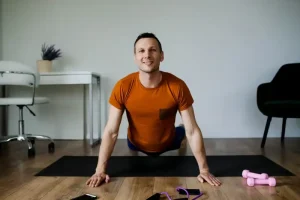

Building strength, endurance, and agility requires more than repeating the same exercises every week. Each fitness quality develops through a different type of physical demand, but the best results come from combining them in a balanced training plan. Strength work improves force production, endurance training develops the ability to sustain effort, and agility exercises sharpen movement control and reaction. The key is choosing methods that match your goals, current fitness level, and available recovery time.
Understanding the Three Foundations of Physical Fitness
Strength, endurance, and agility support different aspects of physical performance. Strength allows muscles to produce force against resistance. Endurance helps the body maintain activity over longer periods, while agility involves changing direction, speed, or body position under control.
These qualities often overlap. A football player needs leg strength to accelerate, cardiovascular endurance to maintain effort, and agility to change direction quickly. Someone training for general fitness may need the same qualities in different proportions.
The most effective methods of training begin with understanding which abilities need the most attention. A person who already has strong lifting performance but struggles during longer activities should not follow the same program as someone who lacks basic muscular strength.
Strength, Muscular Endurance, and Cardiovascular Endurance
Strength training challenges muscles through resistance. Exercises such as squats, presses, rows, deadlifts, and lunges help develop force and improve the ability to perform physical tasks. The resistance may come from free weights, machines, resistance bands, or body weight.
Muscular endurance is the ability of a muscle or muscle group to repeat contractions over time. It is useful for activities such as hiking, swimming, cycling, and repeated athletic movements. Higher repetition resistance exercises and sustained bodyweight activities can help develop this quality.
Cardiovascular endurance involves the heart and lungs supporting sustained physical activity. Running, cycling, swimming, brisk walking, and rowing are common ways to improve aerobic fitness. A balanced program considers both muscular and cardiovascular demands.
Why Agility Requires More Than Speed
Speed refers to how quickly someone can move, while agility involves changing direction or movement in response to a situation. A person may run quickly in a straight line but struggle to stop, turn, and accelerate safely.
Agility depends on coordination, balance, body awareness, strength, and the ability to react. Training therefore needs more than repeated sprinting. Controlled deceleration, lateral movement, footwork, and reaction drills help develop the skills needed for quick changes in direction.
This distinction matters when choosing exercises. Athletes benefit from drills that reflect the demands of their sport, while general fitness participants can build useful movement skills through controlled directional changes and balance exercises.
Strength Training Methods That Build Muscle and Power
Strength training should form a foundation of most well rounded fitness programs. It improves the ability to produce force, supports daily movement, and helps maintain muscle as people age. The right approach depends on training experience, available equipment, and the desired outcome.
Compound exercises are particularly useful because they involve multiple joints and muscle groups. Squats, deadlifts, presses, pull ups, and rows develop coordinated strength across the body. Isolation exercises can then address specific muscles or weaknesses.
Progressive Overload and Resistance Training
Progressive overload means gradually increasing the challenge placed on the body as fitness improves. This may involve lifting a slightly heavier weight, completing another repetition, adding a set, improving exercise control, or increasing the range of motion.
The increase should be manageable. Adding too much weight too quickly can affect technique and raise injury risk. A beginner might start with two or three full body sessions each week, using weights that allow controlled repetitions without losing form.
For example, someone performing three sets of eight squats can first work toward completing all repetitions with consistent technique. Once the exercise feels manageable, they may increase resistance slightly. This gradual approach makes progress easier to track.
The effective methods of training for strength also include adequate rest between challenging sets. Heavy compound lifts often require longer recovery periods than lighter accessory exercises. Rushing every set can reduce performance and make it harder to maintain proper technique.
Bodyweight and Functional Strength Exercises
Bodyweight exercises provide a practical way to develop strength without a gym membership. Push ups, squats, lunges, planks, glute bridges, and pull ups challenge muscles while also requiring body control.
Functional strength training focuses on movements that support real world tasks. Carrying weights, stepping onto platforms, lifting objects from the floor, and rotating under control can improve physical confidence and coordination. These movements are useful beyond sports because they reflect actions people perform in everyday life.
However, functional training should not mean using unstable equipment for every exercise. Stable movements with good technique often provide a better foundation. Once basic control improves, more complex exercises can be introduced according to the person’s goals.
Endurance Training for Better Stamina and Work Capacity
Endurance training improves the body’s ability to sustain physical effort. It can support sports performance, everyday energy, and general cardiovascular health. The most suitable method depends on whether the goal is to maintain steady activity, improve performance at higher intensities, or develop muscular stamina.
A combination of aerobic exercise and resistance training can help create a more complete fitness base. The effective methods of training should also account for current conditioning. Someone returning after a long break needs a different starting point from an experienced runner or cyclist.
Steady State Cardio for Aerobic Fitness
Steady state cardio involves maintaining a relatively consistent effort over a period of time. Brisk walking, jogging, cycling, swimming, and rowing are common examples. The pace should allow the individual to continue without repeatedly needing to stop.
This method helps develop aerobic capacity and provides a manageable way to increase weekly activity. Beginners can start with shorter sessions and gradually extend their duration. For example, someone who currently walks for 15 minutes may add a few minutes as their fitness improves.
The World Health Organization recommends that adults aim for at least 150 to 300 minutes of moderate intensity aerobic activity each week, or 75 to 150 minutes of vigorous activity, or an equivalent combination. It also recommends muscle strengthening activities involving major muscle groups on at least two days per week.
These are general health recommendations rather than a requirement to begin at the highest target immediately. Consistency and gradual progression are more useful than suddenly attempting long sessions.
Interval Training for Higher Intensity Conditioning
Interval training alternates periods of harder effort with easier recovery. A simple example is cycling quickly for one minute, followed by two minutes of gentle pedaling. The cycle can be repeated according to fitness level and training goals.
High intensity interval training, often called HIIT, uses demanding work periods with recovery intervals. It can improve cardiovascular fitness efficiently, but it places greater demands on the body than comfortable steady exercise.
Beginners should first establish a basic aerobic foundation before adding frequent intense sessions. One challenging interval workout each week may be enough for someone who also performs resistance training. More is not automatically better, particularly when recovery, sleep, or technique begins to suffer.
Agility Training for Faster, More Controlled Movement
Agility training develops the ability to move quickly while maintaining balance and control. It is useful for sports such as football, basketball, tennis, and badminton, but it also supports general movement skills. The focus is not simply moving faster. It is learning to accelerate, slow down, turn, and respond without losing control.
Good agility sessions should begin with a proper warm up. Include light movement, dynamic stretches, and gradual changes of direction before attempting demanding drills. This prepares the muscles and joints for faster actions.
Ladder Drills, Cone Drills, and Footwork
Agility ladders can help develop foot coordination and rhythm. Common patterns include moving through the ladder with one foot in each space, using alternating steps, or stepping sideways through the squares. The goal is to maintain accurate foot placement rather than rush through the drill.
Cone drills develop directional control. Place several cones in a straight line, a zigzag pattern, or a small square. Move between them using forward runs, lateral shuffles, and controlled turns. Start at a comfortable speed, then increase pace as technique improves.
These exercises are among the effective methods of training for athletes who need better footwork. However, ladder drills alone do not guarantee improved game performance. They should support broader movement practice that includes acceleration, deceleration, balance, and sport specific skills.
Reaction Training and Change of Direction
In many sports, movement decisions happen in response to another person or an external signal. Reaction drills help develop the ability to recognize a cue and respond quickly. A coach or training partner might call a direction, point toward a cone, or use a visual signal to prompt movement.
For example, an athlete can begin in an athletic stance while a partner indicates whether to move left, right, or forward. The athlete responds with a short burst, slows down under control, and returns to the starting position. As ability improves, the signals can become less predictable.
Change of direction training should also teach safe stopping mechanics. Athletes need to lower their center of gravity, position their feet appropriately, and control their momentum before accelerating in another direction. Practicing these skills at lower speeds first can help build confidence and movement quality.
Combining Strength, Endurance, and Agility in One Training Plan
Developing all three qualities requires thoughtful scheduling. Trying to train strength, endurance, and agility at maximum intensity every day can create excessive fatigue. A balanced plan distributes demanding sessions and allows enough recovery between them.
The effective methods of training should reflect the individual’s priorities. Someone preparing for a running event may need more aerobic work, while a court sport athlete may prioritize strength, acceleration, and directional control. General fitness participants can use a more even balance.
A practical weekly schedule might include three strength sessions, two aerobic sessions, and one shorter agility session. The remaining day can be used for rest or gentle activity. This is only a starting structure. Training frequency should change according to experience, workload, and recovery.
Planning Sessions Around Training Priorities
When strength and endurance are both important, avoid placing the hardest sessions too close together if they affect performance. Heavy lower body training immediately before demanding sprint intervals, for example, may leave the legs too fatigued to move efficiently.
One option is to perform strength and cardio on separate days. If both must happen in one session, prioritize the activity most closely connected to the main goal. Someone focused on improving lifting performance may complete resistance work first, while an endurance athlete may place their key aerobic session first.
Agility drills are best performed when the body is relatively fresh. Quick reactions and controlled direction changes become harder when fatigue affects coordination. Keep these sessions focused and avoid turning every drill into an exhausting conditioning workout.
Tracking Progress and Adjusting Training Load
Progress should be measured using more than one indicator. In strength training, record the resistance, sets, and repetitions. For endurance, track distance, duration, or how difficult a session feels. For agility, observe movement control, reaction quality, and the ability to change direction without losing balance.
A training log can reveal patterns that are difficult to notice from memory. If performance improves gradually and recovery remains manageable, the program is likely moving in a useful direction. If performance repeatedly declines, soreness persists, or motivation drops sharply, the training load may need adjustment.
The effective methods of training are not fixed forever. Fitness changes, goals develop, and life circumstances affect how much time someone can commit. Reviewing the program every few weeks helps keep it relevant without changing exercises simply for variety.
Recovery, Nutrition, and Consistency for Long Term Results
Training creates a stimulus for improvement, but the body needs recovery to adapt. Muscles, connective tissues, and energy systems respond to exercise over time. Without adequate rest, performance can stall and the risk of overuse problems may increase.
Sleep is one of the most useful recovery habits. Most adults should aim for at least seven hours each night, although individual needs vary. Consistent sleep times and a comfortable sleeping environment can support physical recovery and daily energy.
Nutrition also affects training quality. Protein provides the building blocks needed for muscle repair and maintenance, while carbohydrates help supply energy for demanding exercise. Include a variety of foods such as lean proteins, whole grains, fruit, vegetables, and healthy fats. Hydration should be adjusted for exercise intensity, duration, and environmental conditions.
Managing Rest Days and Preventing Overtraining
Rest days do not have to mean complete inactivity. Gentle walking, easy cycling, or mobility work can help maintain movement without adding substantial training stress. However, demanding sessions should not be disguised as recovery workouts.
Watch for warning signs such as persistent fatigue, worsening performance, disrupted sleep, unusual irritability, or soreness that does not improve. These symptoms can have several causes, but they may indicate that training demands are exceeding recovery capacity.
The effective methods of training include knowing when to reduce intensity. A lighter week, fewer sets, or an additional rest day can help restore performance. Anyone experiencing ongoing pain, dizziness, chest discomfort, or unusual shortness of breath should stop exercising and seek appropriate medical advice.
Staying Consistent Without Losing Motivation
A realistic schedule is easier to maintain than an ambitious plan that leaves no room for work, family, or unexpected commitments. Start with sessions you can complete regularly, then increase training volume as your routine becomes established.
Variety can help maintain interest, but it should serve a purpose. You might switch between cycling and swimming for aerobic fitness, or use different resistance exercises to develop strength. Keep the main training goals consistent long enough to measure progress.
Set small targets that can be reviewed. Completing three planned sessions in a week, improving the quality of a squat, or walking for an extra ten minutes can all represent meaningful progress. These achievements build confidence and make long term training more sustainable.
The most effective methods of training combine appropriate challenge with patience. Strength, endurance, and agility develop through repeated practice, not one demanding workout. Focus on good technique, gradual progression, and recovery. If you are new to exercise, have a chronic health condition, or are returning after an injury, seek guidance from a qualified fitness or healthcare professional before starting an intense program.
Conclusion
Building strength, endurance, and agility requires a program that challenges the body in different ways. Resistance training develops muscular strength, steady cardio and intervals improve stamina, while footwork and reaction drills support agility. These methods work best when combined with sensible scheduling and enough recovery.
The most effective methods of training are those that match your goals, fitness level, and lifestyle. Start with manageable sessions, focus on technique, and increase difficulty gradually. Track your progress and adjust your plan when needed. Consistency, rather than constant intensity, is what turns individual workouts into lasting improvements.
FAQs
1. What are the most effective methods of training for overall fitness?
A balanced program combines resistance exercises, aerobic activity, and agility drills. Strength training develops muscle, cardio improves stamina, and movement exercises build coordination. Include recovery days and gradually increase the challenge as your fitness improves.
2. How many days a week should I train for strength and endurance?
Many people can begin with three strength sessions and two or three cardio sessions weekly. The right schedule depends on experience, recovery, and goals. Beginners should start with fewer sessions and increase activity gradually.
3. Is interval training better than steady state cardio?
Neither method is universally better. Steady cardio develops aerobic endurance, while intervals challenge the body with alternating periods of harder and easier effort. Combining both can support well rounded fitness when recovery is adequate.
4. How can I improve agility and reaction time?
Practice cone drills, ladder footwork, lateral shuffles, controlled direction changes, and partner based reaction exercises. Start slowly and prioritize accurate movement. Increase speed only when you can maintain balance and control throughout each drill.
5. How long does it take to see results from training?
Some improvements in coordination and exercise confidence may appear within a few weeks. Noticeable strength and endurance gains often take several weeks of consistent practice. Results vary with training history, nutrition, sleep, and recovery.