
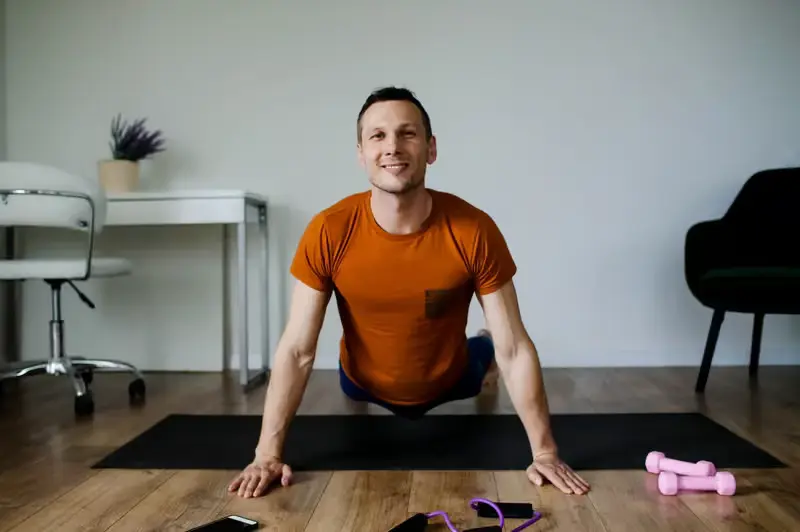
A balanced exercise routine combines strength training, cardiovascular activity, flexibility work, and balance exercises to support long-term health and everyday movement. It develops the physical abilities needed for daily tasks, from carrying groceries and climbing stairs to walking comfortably and getting up from the floor. The best approach includes different types of movement, allows enough recovery, and adapts to your fitness level as your needs change.
A good workout plan is not about exercising as hard as possible every day. It is about developing a body that can move efficiently, handle physical demands, and remain capable over time.
Understanding the Foundations of a Balanced Fitness Routine
A balanced exercise workout fitness plan develops several areas of physical health rather than focusing on one activity. Someone who only runs may build cardiovascular endurance but overlook upper body strength. Someone who only lifts weights may become stronger but neglect aerobic capacity and mobility.
A complete routine addresses these differences. It combines activities that improve heart and lung function, muscle strength, joint movement, coordination, and physical stability. Each component supports the others, creating a stronger foundation for daily activities and recreational exercise.
The goal is not to become an expert in every fitness discipline. It is to maintain enough physical capacity to move comfortably, perform everyday tasks, and participate in activities you enjoy.
The Five Main Components of Physical Fitness
A well-rounded routine generally includes five important components: cardiovascular endurance, muscular strength, muscular endurance, flexibility, and balance. Each contributes something different to overall physical ability.
Cardiovascular endurance helps the heart and lungs support sustained activity. Muscular strength allows you to lift, carry, push, and pull objects. Muscular endurance helps muscles repeat movements without tiring quickly. Flexibility supports comfortable movement through a joint’s available range, while balance helps maintain stability during movement and changes in position.
These abilities work together in everyday situations. Carrying shopping bags requires strength and endurance. Walking across an uneven surface involves balance, coordination, and lower body control. Reaching overhead requires shoulder mobility and muscular stability.
Why Variety Matters More Than Exercise Volume Alone
Doing more exercise does not automatically produce better results. Repeating the same workout every day can create imbalances, increase overuse injuries, and leave certain physical abilities underdeveloped.
Variety gives different muscle groups and energy systems a chance to improve. It also makes training more interesting, which can support consistency. A person might combine brisk walking, resistance exercises, yoga, and short balance drills throughout the week.
The most effective balanced exercise workout fitness approach is one that distributes training demands sensibly. Exercise selection, intensity, and recovery should match your current ability rather than an unrealistic schedule.
Building Strength for Everyday Activities and Healthy Aging
Strength training is a major part of long-term physical health. It helps maintain muscle, supports joint function, and makes everyday tasks easier. Stronger muscles can improve the ability to climb stairs, carry luggage, lift household objects, and maintain good control during movement.
Muscle strength also becomes increasingly valuable with age. Adults naturally tend to lose muscle mass and strength over time, particularly when they remain inactive. Regular resistance training can help slow this decline and preserve independence.
Choosing Effective Resistance Exercises
A useful strength program trains the major muscle groups, including the legs, hips, back, chest, shoulders, arms, and core. Exercises should reflect movements people regularly perform rather than focusing only on individual muscles.
Squats and chair stands develop lower body strength used when sitting and standing. Hip hinges train the muscles involved in lifting objects safely. Rows strengthen the upper back, while wall push-ups or standard push-ups develop pushing strength. Loaded carries can improve grip, trunk stability, and the ability to carry everyday items.
Beginners can start with bodyweight movements, resistance bands, or light dumbbells. The priority is controlled technique and a manageable level of difficulty. Increase resistance gradually when the current workload becomes comfortable.
Understanding Sets, Repetitions, and Progressive Overload
Strength improves when muscles receive a suitable challenge and enough time to recover. Progressive overload means gradually increasing the demands placed on the body. This may involve adding resistance, completing another repetition, improving movement control, or increasing the number of sets.
Beginners do not need complicated training calculations. Two or three strength sessions per week can provide a practical starting point, with rest or lighter activity between demanding sessions.
A balanced exercise workout fitness schedule should also account for exercise quality. Performing repetitions with poor technique simply to lift heavier weights can increase injury risk. Controlled movement and consistent progress are more valuable than rushing toward heavier loads.
Improving Cardiovascular Endurance for Heart Health
Cardiovascular exercise strengthens the body’s ability to deliver and use oxygen during physical activity. It supports heart and lung health, helps improve stamina, and can contribute to better blood pressure and blood sugar management.
Regular aerobic movement also makes daily activities feel easier. Walking up several flights of stairs, cycling to work, or playing with children may become less tiring as endurance improves.
The World Health Organization recommends that adults aim for 150 to 300 minutes of moderate intensity aerobic activity each week, or 75 to 150 minutes of vigorous activity, or an equivalent combination. It also recommends muscle strengthening activities involving major muscle groups on at least two days per week.
Selecting Cardio Activities That Suit Your Lifestyle
The best cardiovascular exercise is one you can perform regularly and safely. Brisk walking is accessible and requires little equipment. Cycling offers a lower impact option for people who prefer not to run. Swimming provides full body movement, while dancing and recreational sports can make aerobic activity more enjoyable.
Choose an activity based on your fitness level, joint comfort, available facilities, and personal interests. Someone returning to exercise after a long break might begin with short walks and gradually increase their duration.
Moderate intensity activity generally allows you to talk but makes singing difficult. During vigorous activity, speaking becomes harder because breathing is more demanding. These simple signs can help guide intensity without requiring expensive equipment.
Combining Steady Cardio With Interval Training
Steady cardiovascular exercise involves maintaining a fairly consistent pace for a set period. Examples include a 30 minute brisk walk, a relaxed cycle, or continuous swimming. It helps build an aerobic foundation and is often easier to recover from than intense sessions.
Interval training alternates periods of higher effort with easier movement or rest. A beginner might walk at a comfortable pace for two minutes, then walk faster for one minute, repeating the pattern several times.
Intervals can improve fitness efficiently, but they should match the person’s ability. High intensity sessions are not essential for everyone. A balanced exercise workout fitness plan can provide excellent health benefits through regular moderate activity alone.
Developing Flexibility, Mobility, and Functional Movement
Flexibility and mobility help the body move comfortably through different positions. Although the terms are often used together, they describe slightly different abilities. Flexibility refers to how far muscles and surrounding tissues can lengthen, while mobility involves moving a joint through its available range with control.
Both matter in everyday life. Reaching a high shelf, turning to look behind you, bending to tie your shoes, and stepping over an obstacle all require some combination of joint movement and muscular control.
Using Stretching to Support Comfortable Movement
Stretching can help maintain or improve flexibility when practiced consistently. Static stretching involves holding a comfortable position for a period of time. Dynamic stretching uses controlled movement through a range of motion and is often useful before exercise.
For example, gentle calf stretches may help someone who feels tight after walking. Shoulder movements can prepare the upper body for strength training, while hip mobility exercises may make squatting and stepping more comfortable.
Stretching should create a mild pulling sensation rather than sharp pain. Avoid forcing a joint beyond its comfortable range. If a movement causes pain or unusual symptoms, stop and seek professional guidance when necessary.
Practicing Functional Movement Patterns
Functional training focuses on movements that transfer to real activities. Rather than isolating muscles exclusively, it develops coordination between different parts of the body.
Chair stands, step-ups, controlled lunges, carries, and reaching exercises are practical examples. These movements train the body to coordinate strength, stability, and mobility. They can also be adjusted for different ability levels.
The value of functional training becomes clear when exercise improvements carry into everyday tasks. A person who practices controlled step-ups may find stairs easier to manage. Someone who trains hip hinges may become more confident when picking objects up from the floor.
A balanced exercise workout fitness routine should include movements in different directions, not just forward and backward actions. Reaching, rotating, stepping sideways, and maintaining stable positions help develop more adaptable movement skills.
Training Balance and Core Stability for Better Mobility
Balance is the ability to maintain control of the body’s position while standing still or moving. It becomes especially important when walking on uneven ground, changing direction, climbing stairs, or recovering from a small stumble.
Core stability also contributes to controlled movement. The core includes muscles around the abdomen, back, pelvis, and trunk. These muscles help transfer force between the upper and lower body while supporting posture and movement.
Simple Balance Exercises for Different Fitness Levels
Balance training can begin with simple movements. Standing with feet close together, shifting weight from one leg to another, or holding a supported single leg stance can help develop stability.
As control improves, people may progress to heel to toe walking, step and hold exercises, or standing on one leg for longer periods. Perform these activities near a stable surface, especially if you are new to balance training or have a history of falls.
The aim is controlled movement, not creating unnecessary instability. Standing on unstable equipment is not automatically more effective and may increase risk for beginners.
Strengthening the Core Through Controlled Movement
Core training does not need to involve hundreds of sit-ups. Exercises such as bird dogs, dead bugs, modified planks, and controlled carries can train the trunk to resist unwanted movement.
Good technique matters. Keep the spine in a comfortable position, breathe normally, and avoid holding your breath during demanding repetitions. If an exercise causes back pain, adjust it or choose a more suitable variation.
A balanced exercise workout fitness plan includes core work as part of a wider strength and movement program. Strong abdominal muscles alone do not guarantee good posture or prevent every back problem. Overall strength, movement habits, and appropriate activity levels also matter.
Planning a Weekly Workout Schedule With Recovery in Mind
A weekly schedule helps distribute different types of exercise without making every day demanding. It should include strength training, aerobic activity, mobility work, balance practice, and recovery. The exact arrangement depends on experience, available time, and personal goals.
A beginner might start with three or four active days each week. One day could focus on full body strength, another on brisk walking, and another on a combination of light resistance and mobility exercises. Short walks or gentle movement can fill the remaining days.
More experienced people may train more frequently, but they still need to manage fatigue. Hard sessions should not continually target the same muscles without adequate recovery.
Example of a Practical Weekly Routine
A simple schedule can provide structure without becoming restrictive:
-
Monday: Full body strength training.
-
Tuesday: Brisk walking or cycling.
-
Wednesday: Mobility, balance, and gentle movement.
-
Thursday: Full body strength training.
-
Friday: Moderate cardiovascular exercise.
-
Saturday: Recreational activity, swimming, or a longer walk.
-
Sunday: Rest or light recovery movement.
This is only an example. People with limited time can divide activity into shorter sessions throughout the day. A 15 minute walk in the morning and another after work can contribute to weekly activity targets.
Why Recovery Is Part of Progress
Exercise creates a physical demand that the body needs time to adapt to. Recovery allows muscles and other tissues to repair and helps restore energy. Without enough rest, people may experience persistent soreness, reduced performance, poor sleep, or declining motivation.
Sleep, hydration, suitable nutrition, and lighter activity all contribute to recovery. Rest days do not have to mean complete inactivity. Gentle walking or comfortable stretching may help maintain movement without adding substantial training stress.
The most useful balanced exercise workout fitness schedule is flexible. If you feel unusually tired or sore, reduce intensity instead of forcing a demanding session. Consistency over months matters more than completing every planned workout perfectly.
Making Fitness Sustainable for Long-Term Health
A fitness routine only provides lasting value when it becomes part of everyday life. Choosing activities you enjoy, setting realistic goals, and tracking gradual improvements can make exercise easier to maintain.
Avoid measuring progress only through body weight or appearance. Improvements in walking distance, strength, balance, energy, sleep, and confidence are also meaningful signs that training is helping.
Start with a manageable workload and increase it gradually. Someone who has been inactive may begin with ten minute walks and basic resistance exercises. Over time, sessions can become longer or more challenging as fitness improves.
People with chronic health conditions, significant joint problems, balance difficulties, or a history of cardiovascular concerns should discuss suitable exercise options with a healthcare professional before starting a demanding program. Exercise should be adjusted to individual capacity and medical advice.
A balanced exercise workout fitness approach also needs room for real life. Work commitments, family responsibilities, travel, and unexpected events can interrupt a schedule. Having shorter alternatives makes it easier to stay active during busy weeks.
The aim is not to follow a perfect routine. It is to build habits that support movement, strength, and independence across different stages of life. When exercise becomes a regular part of daily living, long-term health benefits are more achievable.
Conclusion
A balanced fitness routine combines strength, cardiovascular endurance, flexibility, mobility, and balance training. Each component supports a different aspect of physical health, while recovery helps the body adapt and improve. By choosing practical exercises, progressing gradually, and staying consistent, you can build a routine that supports everyday movement and long-term independence.
FAQs
1. What should a balanced exercise routine include?
A balanced routine should include strength training, cardiovascular activity, flexibility exercises, mobility work, and balance training. Combining these activities develops different physical abilities and supports everyday tasks. The amount of each depends on your fitness level, goals, schedule, and any health limitations.
2. How many days a week should I exercise for overall health?
Aim for regular activity throughout the week. Adults should generally work toward at least 150 minutes of moderate aerobic activity and two strength sessions weekly. Beginners can start with shorter sessions and gradually build duration and intensity as their fitness improves.
3. Is strength training or cardio more important for long-term health?
Both provide important benefits. Cardio supports heart and lung health, while strength training helps maintain muscle, physical function, and independence. A well rounded routine includes both rather than choosing one. The right balance depends on your current fitness and individual health goals.
4. What exercises improve functional mobility as you age?
Chair stands, step-ups, controlled squats, walking, balance drills, and gentle mobility exercises can support functional movement. These activities develop strength, coordination, and stability needed for daily tasks. Start with comfortable variations and use support when needed to maintain safe movement.
5. How can I make my fitness routine easier to maintain?
Choose activities you enjoy, schedule realistic sessions, and track improvements beyond appearance. Begin with manageable goals, allow recovery, and keep shorter workout options for busy days. A routine that fits your lifestyle is more likely to become a lasting habit.